
Original research |
Peer reviewed |
Efficacy of a mannan oligosaccharide (Bio-Mos®) for improving nursery pig performance
Jennifer C. Miguel, MSc; Sandra L. Rodriguez-Zas, PhD; James E. Pettigrew, PhD
Department of Animal Sciences, University of Illinois at Urbana-Champaign, Urbana, Illinois. Corresponding author: Jennifer C. Miguel, Department of Animal Sciences, University of Illinois at Urbana-Champaign, 208 Animal Sciences Laboratory, 1207 West Gregory Drive, Urbana, IL 61801; Tel: 217-333-9749; Fax: 217-333-7861; E-mail: jmiguel@uiuc.edu.
Cite as: Miguel JC, Rodriguez-Zas SL, Pettigrew JE. Efficacy of a mannan oligosaccharide (Bio-Mos®) for improving nursery pig performance. J Swine Health Prod. 2004;12(6):296-307.
Also available as a PDF.
Summary
Objectives: To analyze all known available data to determine whether a mannan oligosaccharide (Bio-Mos; Alltech, Inc, Nicholasville, Kentucky), provided as a feed additive, improves the growth performance of nursery pigs, and what production factors influence the existence or size of that response.
Materials and methods: A combined analysis (meta-analysis) was performed using all available, relevant data in a data set based on published and unpublished data. A total of 54 comparisons were made (pigs fed Bio-Mos or no Bio-Mos). The response to Bio-Mos throughout the experimental period was examined with either one or several independent variables in the model. Independent variables included weaning age, length of experiment, dietary Bio-Mos inclusion level, publication status, growth performance during the first nursery stage, antimicrobials in the diet, site of the experiment, and complexity of the first-stage diet. Analysis of variance was used to detect differences in the performance response to Bio-Mos between levels of a variable.
Results: Overall, performance was better in pigs fed Bio-Mos than in the controls. The data indicate that pigs with a slow growth rate during the first 1 to 2 weeks postweaning have a more pronounced response to Bio-Mos than do pigs with a normal or accelerated growth rate. Dietary inclusion of Bio-Mos appears to be most effective immediately after weaning, but a smaller response may persist for several weeks.
Implications: On the basis of this comprehensive analysis of all known available data, we conclude that Bio-Mos has potential as an acceptable growth promoter for nursery pigs.
Keywords: swine, mannan
oligosaccharide, performance, meta-analysis
Search the AASV web site
for pages with similar keywords.
Received: October
7, 2003
Accepted: April
26, 2004
Traditionally, antimicrobials have been incorporated into the diets of newly weaned pigs to promote growth and alleviate health problems related to the stress of removal from the sow, a new environment, and a different source of nutrients. Although widely accepted in the past, the use of antimicrobials in current pig diets has created a growing public concern regarding microbial resistance to antimicrobials and the implication this resistance may have on human food safety.1-3 Due to the imposition of tight restrictions on the use of antimicrobial growth promoters in Europe, producers have increased their use of other feed ingredients and feed additives that are claimed to enhance health and growth performance. These include direct-fed microbials, prebiotics, organic acids, plant products such as essential oils, and oligosaccharides.4,5
Bio-Mos, a mannan oligosaccharide product manufactured by Alltech, Inc (Nicholasville, Kentucky), is believed to positively influence performance of nursery pigs. This product, derived from the cell wall of yeast (Saccharomyces cerevisiae), consists of a mannan and a glucan component. The structure of the mannan component resembles that of the surface glycoproteins containing mannose present on the mucosal surface of the intestine. The mannans act as high-affinity ligands for the mannose-specific type-1 fimbriae of pathogenic bacteria such as Escherichia coli6 and salmonellae.7 In theory, pathogenic, growth-inhibiting bacteria that normally adhere to mannans on the mucosal surface of the intestine may instead bind to the mannan component of Bio-Mos.8 Because these pathogens do not attach to the mucosal surface of the intestine, they are flushed from the intestinal tract. An in vitro agglutination experiment demonstrated that five of seven strains of E coli and seven of ten strains of Salmonella serovar Typhimurium and Salmonella serovar Enteritidis were agglutinated by mannan oligosaccharide.7 Elimination of pathogens would presumably enhance the health and growth of the nursery pig.
Another possible mode of action of Bio-Mos is an effect on the immune system. Dietary inclusion of Bio-Mos increased activity of phagocytic cells from mice9,10 and increased concentrations of plasma IgG and bile IgA in turkeys.11 These actions may improve disease resistance by warding off attack by pathogenic microbes. In contrast, Bio-Mos may improve gain and feed efficiency by enabling the animal to maintain a low immune status.12 In a study with nursery pigs, Bio-Mos had an inhibitory effect on lymphocyte numbers,12 thus allowing nutrients to be utilized for growth rather than for activation of the immune system.13
Studies conducted in swine,14 broiler chickens,15 and turkeys16,17 have shown enhanced performance when Bio-Mos was incorporated into the diet. For swine, an enhancement in performance over that of the control animals was reported during the 2-week period immediately following weaning.14 This suggests that dietary inclusion of Bio-Mos may be beneficial during this difficult transition period.
The objective of this review was to analyze all available data (meta-analysis) that have been published or provided by other authors, to determine whether dietary inclusion of Bio-Mos enhances the growth performance of nursery pigs [ADG, average daily feed intake (ADFI), and feed:gain ratio (F:G)], and what production factors (growth rate, weaning age, length of dietary Bio-Mos inclusion period, dietary Bio-Mos inclusion level, antimicrobials in the diet, experimental site, and complexity of the diet) influence the existence or size of that response.
Materials and methods
Selection of data set
This data set is based on both published and unpublished data. A comprehensive search for published data was conducted on the internet through the utilization of the PubMed search engine and through communication with authors affiliated with some of the studies. The published data include both refereed and non-refereed publications, including abstracts and theses. For completeness, we also asked Alltech, Inc to provide all other pertinent data of which the company was aware. All data collected were from studies conducted prior to January 1, 2003.
The selection of data for this meta-analysis was based on three criteria. First, each experiment must have had more than one replication of each treatment, regardless of sample size. Second, there had to be a clear, uncomplicated comparison of the performance of pigs fed a diet containing Bio-Mos to the performance of pigs fed a similar diet without Bio-Mos. For example, if the experiment did not include an appropriate negative control for Bio-Mos, it was excluded from the analysis. Third, the experiment had to be concurrent, ie, both treatments applied at the same time.
In a summary of findings across experiments, it is important to assemble as complete a data set as possible, for at least two reasons. The first reason is to ensure that omissions do not introduce biases. Therefore, we have included all data we could identify that met the three described objective criteria. To prevent bias, we specifically avoided exclusion of data for any other reason, including publication status. The second reason is to build a data set large enough that it is insensitive to variation in values of individual experiments or to addition or elimination of individual experiments.
Originally, we considered using the absolute values of the performance data in the analysis. However, a wide array of weaning ages and study lengths across experiments resulted in a broad range of performance values that would have placed undue weight on the experiments with higher values for performance variables (ie, longer experiments). Therefore, the analysis was based on the percentage responses, ie, the difference between Bio-Mos and no-Bio-Mos performance response values expressed as a percentage of the no-Bio-Mos value.
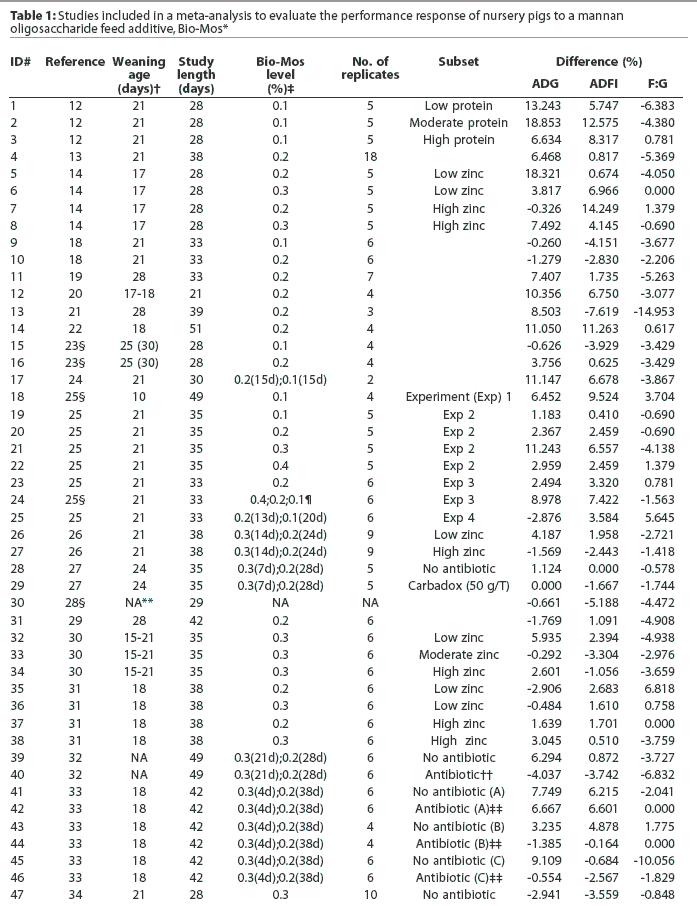
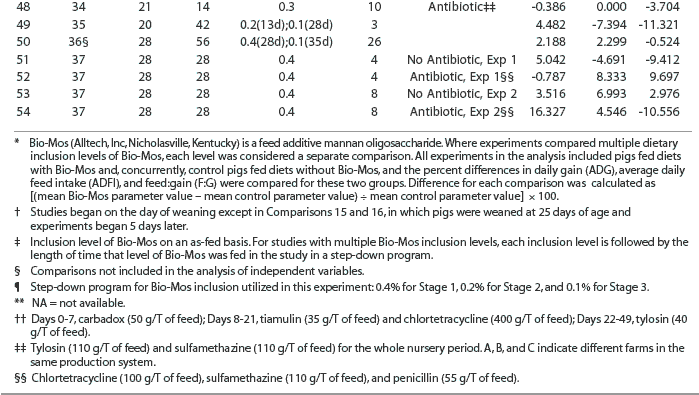
A total of 54 comparisons of performance were made in the data set between pigs fed Bio-Mos in the diet and pigs fed no Bio-Mos (Table 1).12-14, 18-37 These 54 comparisons are taken from 29 separate experiments and 21 research teams. Where experiments compared multiple dietary inclusion levels of Bio-Mos, we have considered each level as a separate comparison (Table 1). These comparisons were given the same weight as comparisons from studies that examined only one inclusion level of Bio-Mos. Each experiment started at weaning, with the exception of one experiment23 that began 5 days postweaning. In addition, three20,27,32 of the 29 experiments expressed performance data in pounds rather than kilograms. The data were converted to kilograms by dividing the measurements in pounds by 2.2. For the experiments that included descriptions of statistical analysis, the authors reported that analysis of variance was used to obtain the mean response for each performance variable.
Data analysis
The data set was first analyzed to determine the overall response to Bio-Mos. The experimental unit was the comparison of the performance response of an individual Bio-Mos treatment to its control within an experiment. The following statistical model was utilized: Yi = m + ei where Yi represents the dependent variable; m is the overall mean; and ei is the error term. A total of 54 comparisons were analyzed using this model.
Analysis of variance was used to detect effects of several factors (independent variables) on the response to Bio-Mos. The independent variables included publication status, performance level, weaning age, length of experiment, dietary Bio-Mos inclusion level, antimicrobial inclusion or exclusion, experimental site, and first-phase dietary composition. The analysis was conducted using the PROC MIXED procedure of SAS (SAS Institute Inc, Cary, North Carolina), and least squares means were calculated. All independent variables were included as fixed effect variables: no random variables were used. The differences among levels of an independent variable were considered significant when P < .05.
Of the 54 total comparisons, six comparisons from four separate experiments were removed from the analysis of the effects of independent variables. One of the experiments, representing a single comparison, utilized pigs weaned at 10 days of age,25 which was much younger than in any of the other experiments. The description of one of the other experiments28 provided no information on either weaning age or length of the experiment, and the comparison in this experiment was removed from the analysis. Another experiment with two comparisons was removed because the experiment began 5 days postweaning,23 in contrast to the other experiments that started at weaning. One comparison was removed from each of two other experiments25,36 because the dietary Bio-Mos inclusion level utilized did not fit into one of our defined use levels. These two comparisons employed step-down programs, but at inclusion levels not utilized in the other experiments (0.4%, 0.2%, and 0.1%;25 and 0.4% and 0.1%).36 Therefore, each of the analyses of independent variables includes a maximum of 48 of the 54 comparisons. Further, for the models that included control growth response during the first nursery stage, there were only 37 comparisons for each of the corresponding analyses, as 11 comparisons were eliminated from experiments that provide no data on performance during the first 2 weeks postweaning.
In each of the independent variable analyses, the following variables were included: weaning age, length of experiment, and dietary Bio-Mos inclusion level. These three variables are of concern to swine producers in terms of performance and economics, and were judged likely to affect the response to Bio-Mos. Producers need to know whether pigs weaned at a young age have a similar or larger performance response to Bio-Mos compared to pigs weaned at an older age. In terms of economics, producers want to know how long to feed the product and at what dietary inclusion level Bio-Mos is most efficacious. It was anticipated that these three variables would be important, and they were thus included in each of the independent variable analyses.
For this meta-analysis, the 48 comparisons used in the independent variable analysis were split into subgroups according to weaning age, and similarly split into subgroups according to the length of experiment and dietary Bio-Mos inclusion level. Weaning age was separated into the following three groups according to natural breaks in the data set: 17 to 18 days, 20 to 21 days, and 24 to 28 days. Subgroups of length of experiment were <= 5 weeks and > 5 weeks. Bio-Mos was used at dietary inclusion levels ranging from 0.1% to 0.4% (on an as-fed basis) and at dietary inclusion levels that declined as the experiment progressed. The comparisons were divided into four groups on the basis of dietary inclusion level: dietary inclusions of 0.1%, 0.2%, 0.3%, and 0.4%. The 0.2% group included treatments that started at 0.2% and declined to 0.1%, and the 0.3% group included treatments that started at 0.3% and declined to 0.2%.
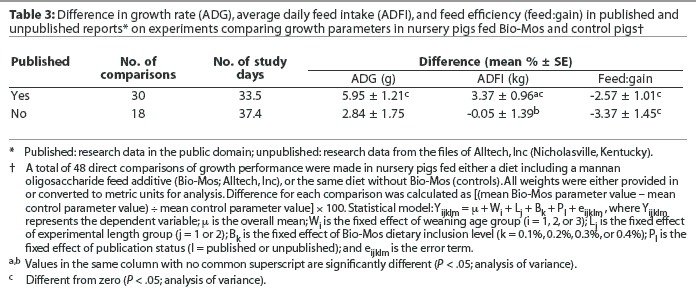
We first determined whether the data provided by Alltech, Inc appear to be biased. The data set was separated into papers that were available in the public domain (published) versus those that were provided by Alltech, Inc (unpublished). This variable was incorporated into the following statistical model along with weaning age, length of experiment, and dietary Bio-Mos inclusion level: Yijklm = m + Wi + Lj + Bk + Pl + eijklm where Yijklm represents the dependent variable; m is the overall mean; Wi is the fixed effect of weaning age group (i = 1, 2, or 3); Lj is the fixed effect of experimental length group (j = 1 or 2); Bk is the fixed effect of dietary Bio-Mos inclusion level (k = 0.1%, 0.2%, 0.3% or 0.4%); Pl is the fixed effect of publication status (l = published or unpublished); and eijklm is the error term. A total of 48 comparisons were analyzed with this model.
The studies were separated into three distinct categories of ADG (< 180 grams, 180 to 280 grams, and > 280 grams) according to the growth rate of the control pigs during the first nursery stage (7 to 15 days postweaning). Some experiments defined the first nursery stage as the first week postweaning, while other experiments considered the first nursery stage to be the first 2 weeks postweaning, depending on the day the pigs were weighed. The three ADG categories were based on the natural break points present in the data set. The effect of growth rate during the first nursery stage on the overall response to Bio-Mos was incorporated into the model along with weaning age, length of experiment, and dietary Bio-Mos inclusion level: Yijklm = m + Wi + Lj + Bk + Cl + eijklm where Yijklm represents the dependent variable; m is the overall mean; Wi is the fixed effect of weaning age group (i = 1, 2, or 3); Lj is the fixed effect of experimental length group (j = 1 or 2); Bk is the fixed effect of dietary Bio-Mos inclusion level (k = 0.1%, 0.2%, 0.3%, or 0.4%); Cl is the fixed effect of control group growth rate during the first nursery stage, ie, first 7 to 15 days postweaning, (l = < 180 grams per day, 180 to 280 grams per day, or > 280 grams per day); and eijklm is the error term. Of the 48 comparisons available for the individual analyses, only 37 provided performance data from the first 2 weeks of the experiment. This model was used to evaluate the impact of performance level on the response to Bio-Mos and also to test the effects of the other independent variables, with adjustment for the confounding effects of performance level.
A simpler basic model was used to evaluate the effects of weaning age, experiment length, and dietary Bio-Mos inclusion level using all 48 of the comparisons: Yijkl = m + Wi + Lj + Bk + eijkl where Yijkl represents the dependent variables; m is the overall mean; Wi is the fixed effect of weaning age group (i = 1, 2, or 3); Lj is the fixed effect of experimental length group (j = 1 or 2); Bk is the fixed effect of dietary Bio-Mos inclusion level (k = 0.1%, 0.2%, 0.3%, or 0.4%); and eijkl is the error term.
We compared the response to Bio-Mos during the initial stage of the experiment to the response during the remainder of the experiment. The analysis included only studies that provided data regarding the performance response to Bio-Mos for the first stage of the experiment and from the conclusion of this initial stage until the end of the experiment. The following statistical model was utilized: Yijk = m + Ci + Sj + eijk where Yijk represents the dependent variables; m is the overall mean; Ci is the fixed effect of comparison; Sj is the fixed effect of stage (j = 1 or 2); and eijk is the error term. Forty-one comparisons were analyzed with this model. Taking into account that the 41 comparisons were used for the first and second halves of the experiments, there were a total of 82 comparisons.
Antimicrobials such as chlortetracycline, carbadox, and sulfa drugs were often included in the experimental diets. The response to Bio-Mos in the presence of antimicrobials (where both the Bio-Mos and control diets contained antimicrobials) was compared to the response to Bio-Mos in the absence of antimicrobials (where neither diet contained antimicrobials). The following statistical model was utilized to determine the effect of Bio-Mos on the performance response either in the presence or absence of antimicrobials: Yijklm = m + Wi + Lj + Bk + Al + eijklm where Yijklm represents the dependent variables; m is the overall mean; Wi is the fixed effect of weaning age group (i = 1, 2, or 3); Lj is the fixed effect of experimental length group (j = 1 or 2); Bk is the fixed effect of dietary Bio-Mos inclusion level (k = 0.1%, 0.2%, 0.3%, or 0.4%); Al is the fixed effect of antimicrobials (l = present or absent); and eijklm is the error term. A total of 48 comparisons were analyzed with this model.
The experiments in the data set were conducted either at large commercial swine farms or at smaller university or private research facilities. To determine whether the performance response to Bio-Mos differed with experimental setting, the following statistical model was utilized: Yijklm = m + Wi + Lj + Bk + Sl + eijklm where Yijklm represents the dependent variables; m is the overall mean; Wi is the fixed effect of weaning age group (i = 1, 2, or 3); Lj is the fixed effect of experimental length group (j = 1 or 2); Bk is the fixed effect of dietary Bio-Mos inclusion level (k = 0.1%, 0.2%, 0.3%, or 0.4%); Sl is the fixed effect of experimental site (l = commercial or research); and eijklm is the error term. A total of 48 comparisons were analyzed with this model.
An analysis was conducted to determine if superior performance in pigs fed diets containing Bio-Mos depended on the quality of the first-phase nursery diet. Three indicators of diet quality were considered, consisting of the inclusion levels of plasma (spray-dried animal plasma), milk products (dried skim milk, milk replacer, deproteinized whey) and the total of all special nursery diet ingredients (plasma, milk products, fish meal, blood meal, and blood cells) used in the first-phase nursery diet. These ingredients are commonly added to improve the quality of the diet and encourage growth of the young pig. Data were separated into one of two arbitrary categories for each of the analyses, based on the percentage of each ingredient that was included in the first diet. The following statistical model was utilized to determine the effect of dietary ingredients on the performance response to Bio-Mos: Yijklm = m + Wi + Lj + Bk + Dl + eijklm where Yijklm represents the dependent variables; m is the overall mean; Wi is the fixed effect of weaning age group (i = 1, 2, or 3); Lj is the fixed effect of experimental length group (j = 1 or 2); Bk is the fixed effect of dietary Bio-Mos inclusion level (k = 0.1%, 0.2%, 0.3%, or 0.4%); Dl is the fixed effect of dietary ingredients (l = <= 5.5% plasma or > 5.5% plasma; <= 20% milk products or > 20% milk products; <= 30% special ingredients or > 30% special ingredients); and eijklm is the error term. Of the 48 comparisons, 33 provided information regarding the formulation of the first-phase nursery diet and were thus analyzed with this model.
The descriptions of the individual experiments provided estimates of variance in some cases, but not in all. We conducted an analysis of the data with the value for each experiment weighted by the inverse of the standard error, and the results were similar to those reported here. We chose to use the unweighted analyses in order to use the entire data set.
Results
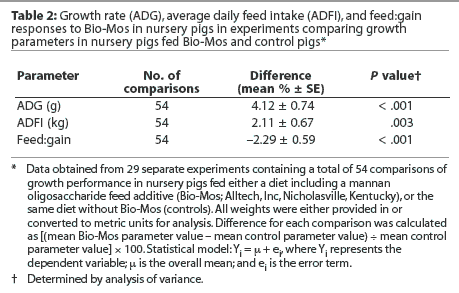
The analysis was based on the percentage responses, ie, the difference between Bio-Mos and no-Bio-Mos performance response values expressed as a percentage of the no-Bio-Mos value. The mean percentage responses to dietary Bio-Mos in growth rate, feed intake, and feed efficiency are different from zero for the overall data set (Table 2).
The data available in the public domain demonstrated a more favorable response to Bio-Mos than the data provided by Alltech Inc (Table 3). The feed intake response to Bio-Mos reported in the published studies was greater than the response reported from the unpublished data. All measures of growth performance were enhanced by dietary inclusion of Bio-Mos in the published data; feed efficiency was better in the unpublished data (Table 3).
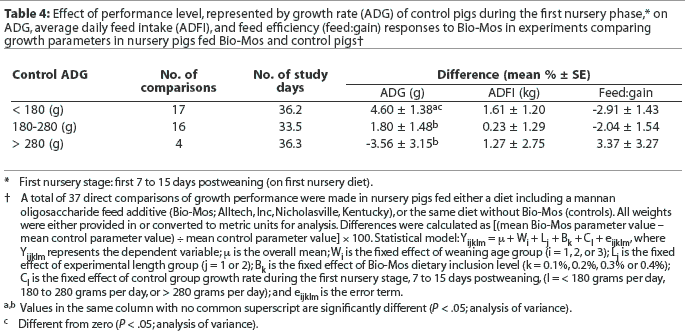
The growth rate of the control pigs during the first stage (1 to 2 weeks) of the nursery period, after which the pigs were switched to the phase two or second postweaning diet, was selected as an indicator of performance level. Pigs that had a slow growth rate during the first nursery stage had a larger growth rate response to Bio-Mos than did pigs that had a normal or an accelerated growth rate during the initial nursery stage, and the response of pigs with the slow growth rate was significantly different from zero (Table 4). In addition, the feed efficiency response to Bio-Mos was numerically larger for pigs with a lower growth rate compared to pigs with a normal or accelerated growth rate.
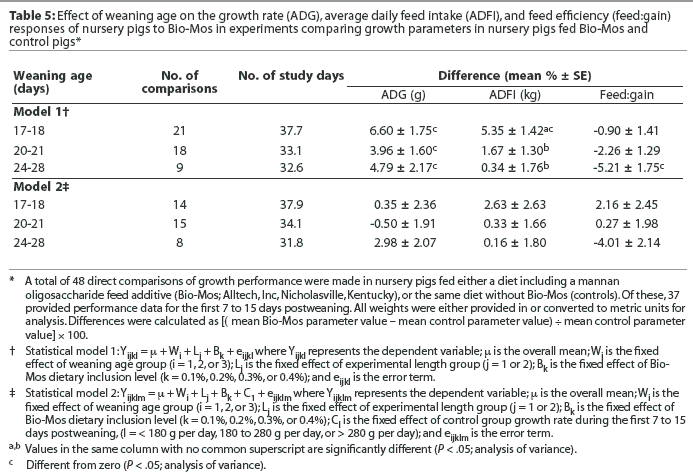
The growth rate and feed efficiency responses to dietary Bio-Mos were not different for the three weaning age groups in either of the models used (Table 5). In the analysis of the overall data set, the feed intake response to Bio-Mos was larger for pigs weaned at 17 to 18 days of age than for those weaned at 24 to 28 days of age. These analyses failed to show a clear effect of weaning age group on performance response to Bio-Mos. Dietary inclusion of Bio-Mos increased growth rate in all weaning age groups and increased feed intake or improved feed efficiency in some groups when the early growth rate was not in the statistical model (Table 5).
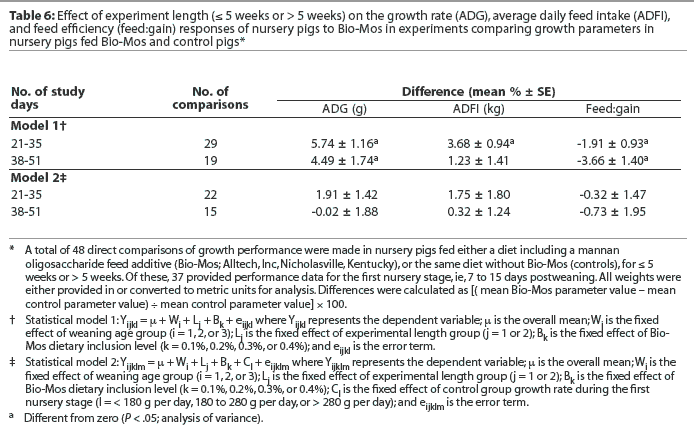
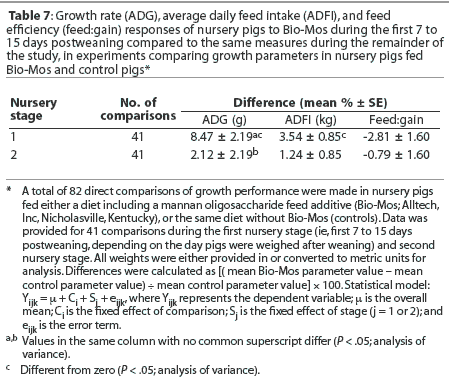
There was no difference in performance response to Bio-Mos for pigs in experiments of shorter duration compared to pigs in experiments of longer duration (Table 6). Growth rate and feed efficiency were enhanced in pigs fed Bio-Mos in both duration categories, and feed intake was greater in pigs fed Bio-Mos in the shorter experiments, when early growth rate was not in the statistical model (Table 6). The effect of Bio-Mos during the first 1 to 2 weeks of the nursery period was compared to the remainder of the experiment. The growth rate response to Bio-Mos during the initial stage was larger than the response observed during the remainder of the nursery period. In pigs fed Bio-Mos compared to controls, both growth rate and feed intake were significantly greater during the initial stage of the experiment, but not during the remainder of the experiment (Table 7).
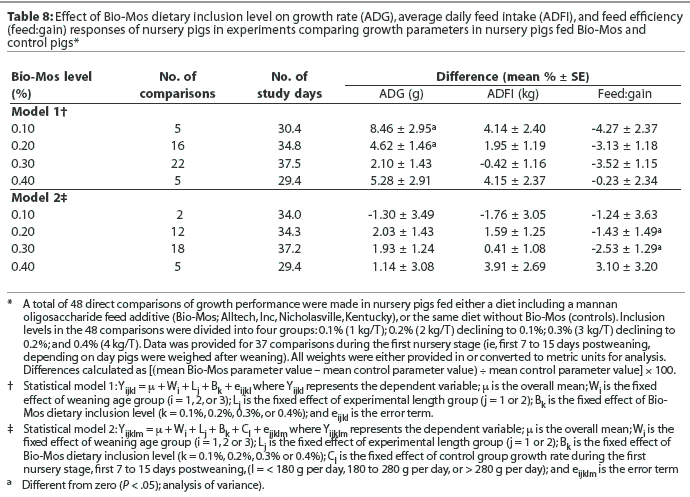
There were no effects of dietary Bio-Mos inclusion level on the performance response of pigs to Bio-Mos (Table 8). The overall analysis indicates that the low concentration of Bio-Mos (0.1%) produced the numerically largest response in growth rate. Statistical significance of the effect of Bio-Mos at the various dietary inclusion rates on growth rate and feed efficiency depended on the statistical model (Table 8). However, neither model provides strong guidance concerning the most appropriate concentration or use level of Bio-Mos.
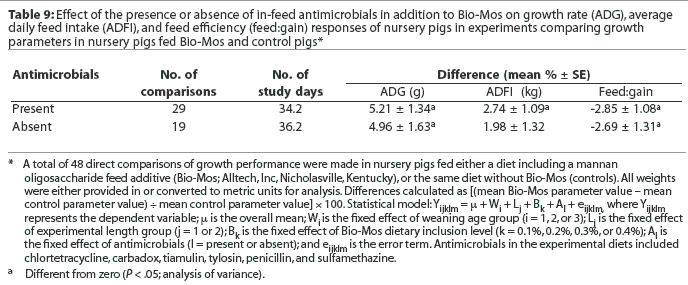
When both Bio-Mos and control treatment diets contained an antimicrobial, the response was not different than when neither treatment diet contained an antimicrobial (Table 9). Most measures of growth performance were greater in pigs fed Bio-Mos in either the presence or the absence of antimicrobials (Table 9). This analysis indicates that Bio-Mos elicits a positive performance response even in the presence of antimicrobials. This statistical model did not include early growth rate because it may have been confounded with antimicrobial use. In the experiments that tested both Bio-Mos and antimicrobials (16 comparisons of each), the mean growth rate response to Bio-Mos (3.1%) was smaller (P = .05) than the mean response to antimicrobials (7.1%).
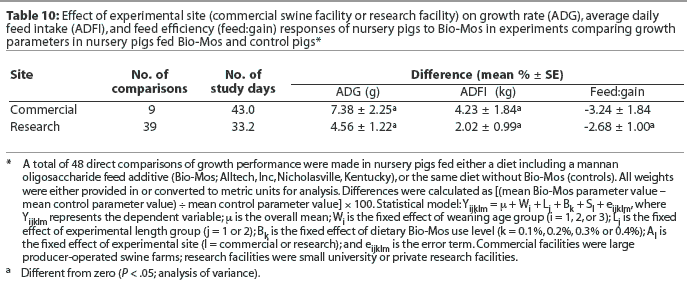
There was no significant difference in performance response to Bio-Mos when performance of nursery pigs housed in commercial farms was compared to that of pigs housed in research settings (Table 10). Most measures of growth performance were better in pigs fed Bio-Mos in either environment. Again, the statistical model did not include early growth rate in order to avoid confounding.
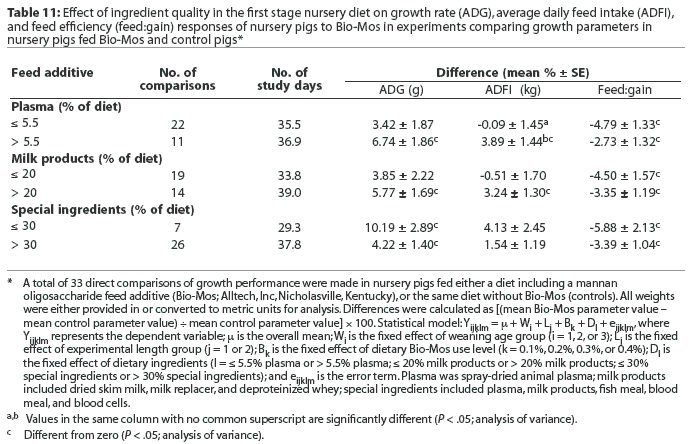
We found no consistent evidence that the quality of the first diet after weaning alters the response to Bio-Mos (Table 11). Pigs fed diets containing > 5.5% plasma had a better feed intake response to Bio-Mos than did pigs fed diets containing <= 5.5% plasma. The addition of low levels of milk products compared to high levels did not influence performance response to Bio-Mos. There were no significant differences in response to Bio-Mos in the performance of pigs fed low levels of special ingredients compared to high levels in the first stage nursery diet. Some measures of growth performance were better in pigs fed Bio-Mos in every category of diet quality.
Discussion
For the overall data set, the inclusion of Bio-Mos in the diet resulted in an enhancement in growth rate, feed intake, and feed efficiency compared to performance of the control animals. However, on an individual basis, not all studies found significantly better performance in the pigs fed diets including Bio-Mos. In fact, of the 54 comparisons analyzed, 11 reported significant differences in growth rate, two in feed intake, and 10 in feed efficiency in response to Bio-Mos. Many experiments have too little experimental power to detect the subtle effects of Bio-Mos and presumably effects of other feed additives. The difference in results across experiments may be attributed to the environment, health status of the pigs, quality of dietary ingredients, length of experiment, dietary Bio-Mos inclusion level, and number of pigs utilized, as well as many other factors.
Before the individual factors could be analyzed, the sources of the data had to be compared to determine whether the data from Alltech, Inc were biased. Unpublished data may introduce bias, as some studies may be unavailable, and thus those that are utilized in the analysis may be an unrepresentative sample of unpublished studies.38 To ensure that the positive performance response to Bio-Mos is valid, data available in the public domain were compared to data obtained from the files of Alltech, Inc. The feed intake response to Bio-Mos reported in the published data was greater than the response reported in the unpublished data. This indicates that Alltech, Inc had not positively biased the data contributed from their files. The greater performance response seen in the published data may be attributed to the reluctance of researchers to publish data that show nonsignificant differences due to fear of rejection by the journal to which they submit their findings.39 This may result in the published data being positively biased.40 Nonetheless, the greater response to Bio-Mos in the published data allowed us to continue our analyses with the entire data set rather than including only studies with results available in the public domain.
The perceived mode of action of Bio-Mos is a combination of modification of gut microflora by blocking pathogen colonization41 and inhibition of immune system activation.12 When both mobilization of nutrients toward immune system activation and utilization of nutrients by pathogenic microbes are prevented, more nutrients are available to the young pig during the difficult transition period at weaning. If this is the mode of action of Bio-Mos, then it should be more effective in animals that have a slower growth rate. The growth rate of control pigs during the first stage (1 to 2 weeks) of the nursery period was selected as an indicator of overall growth performance. We rejected growth rate over the entire experiment as an indicator of overall growth performance because of considerable variation in duration of the experiments, which would create artificial biases. The duration of the initial phase is less variable. The analysis indicated that pigs that had a slow growth rate (< 180 grams per day) during the first nursery stage (days 0 to 14 postweaning) had a larger growth rate response to Bio-Mos than did pigs that had a normal or an accelerated growth rate. Although there were fewer comparisons at both the low and high growth rate levels, the analysis gave a clear indication that when Bio-Mos is incorporated into the diet of slower growing pigs, performance is enhanced. This response is similar to what is observed when nursery pigs reared in "dirty" environments respond more to antimicrobial growth promotants and some direct-fed microbials than do pigs reared in "clean" environments.42
Growth response to Bio-Mos was not significantly different for the three weaning age groups. In the model that analyzed overall performance response from 48 comparisons, the feed intake response to Bio-Mos was larger for pigs weaned at an earlier age (17 to 18 days) than at a later age (24 to 28 days). However, neither model gave a clear indication of which weaning age group had a larger response to Bio-Mos. Failure to determine the impact of weaning age on performance response to Bio-Mos may show a true lack of effect or may be attributed to the lack of power of the model as a result of separating this independent variable into three separate groups, resulting in low numbers in each group.
Two analyses were performed to address the question of how long Bio-Mos should be fed in the nursery diet. First, the performance response to Bio-Mos for pigs in experiments of shorter duration was not demonstrably larger than for pigs in experiments of longer duration. This lack of difference suggests that the benefits of Bio-Mos persist beyond 5 weeks postweaning. However, growth rate response to Bio-Mos during the first nursery stage was larger (8.47% better than control pigs) than the response observed during the remainder of the nursery period. During the remainder of the nursery period, growth rate response to Bio-Mos was smaller (2.12% better than control pigs), suggesting that Bio-Mos may be more effective during the immediate postweaning period.
The analysis presented no significant effects of Bio-Mos use level on performance response of pigs. Response to Bio-Mos level was not consistent across experiments. In addition, direct comparison of varied levels of Bio-Mos within experiments presented conflicting results (data not shown). The data involving direct comparisons indicated that as the concentration of Bio-Mos in the diet increased, there was either a numerical increase or decrease in growth performance in the pigs fed Bio-Mos compared to the control pigs. The inconsistency may be due to separation of the variable into four categories, which may have reduced the statistical power of both models.
It has been common practice to include antimicrobials in nursery diets as growth promoters. In the present data set, two-thirds of the experiments included some form of antimicrobial in the diet. There were no significant differences in the response to Bio-Mos in diets with or without antimicrobials, suggesting that Bio-Mos may have a positive influence on growth performance in nursery pigs even when antimicrobials are also included in the diet.13,14,37 In fact, the similarity in size of the response to Bio-Mos in the presence or absence of antimicrobials suggests that the responses are additive. The response to Bio-Mos was smaller than the response to antimicrobials when both were tested in the same experiments.
The experiments were conducted in either commercial or research settings. The conditions or setting of the nursery may affect performance of the pigs. Sanitary conditions, feed quantity and quality, disease prevalence, and overall health may influence growth performance.43 There was no significant difference in the response to Bio-Mos when performance of pigs in research and commercial settings was compared. In both settings, there was a positive response in the performance of pigs fed Bio-Mos compared to the performance seen in pigs fed the control diet. Because the practical application of Bio-Mos occurs in a commercial setting, these results indicate that Bio-Mos may be used as a growth promoter.
Diet quality may have an impact on performance of nursery pigs during the first 2 weeks postweaning. Often, pigs perform better when the diet is supplemented with high levels of quality ingredients.44 A meta-analysis of the results of experiments evaluating the effects of adding spray-dried plasma to the diet of nursery pigs shows a 27% average improvement in growth rate.45 Pigs fed diets containing > 5.5% plasma had a better feed intake response to Bio-Mos than did pigs fed a diet containing <= 5.5% plasma. The addition of low levels of milk products compared to high levels did not influence performance response to Bio-Mos. There were no significant differences in response to Bio-Mos in the performance of pigs fed low levels of special ingredients (plasma, milk products, fish meal, blood meal, blood cells) compared to high levels in the first-phase nursery diet. This demonstrated that Bio-Mos enhances performance in pigs even in the presence of high quality dietary ingredients. Therefore, the analysis suggests that Bio-Mos may be effective whether the diet is of low or high quality and whether or not antimicrobials are present.
Overall, the analysis of all known available data indicates that Bio-Mos may be incorporated into the nursery pig diet as an alternative growth promoter. This should be of great interest to swine producers, as a lag in growth and a depression in feed intake is commonly associated with the immediate postweaning period.46 With an average improvement of 4.12% in growth rate in pigs fed Bio-Mos, this product may help the young pig during the transition period.
However, one must be cautious regarding interpretation of the analyses presented here. We have expended considerable effort to assemble as complete a data set as possible, in order to ensure that it is unbiased and large enough to be insensitive to normal variation in values from individual experiments. Our data set is larger than could be assembled for most feed additives. We gain some protection against omissions of data through the redundancy in our search process, using both literature search procedures and our access to Alltech, Inc. However, there remains the possibility that our data set might contain minor biases because of scientists' reluctance to publish data that do not show clear treatment effects,39,40 and in some cases, the statistical power of our analyses is limited by small numbers of comparisons within subgroups.
Implications
- Bio-Mos, a mannan oligosaccharide, enhances growth performance of nursery pigs.
- The largest responses to Bio-Mos occur soon after weaning, but smaller effects may persist much longer.
- Bio-Mos appears to be most beneficial for pigs that have a slow growth rate (< 180 grams per day) during the first 2 weeks postweaning.
- As evidence to support one of the four dosage levels analyzed was inconclusive, no inclusion level of Bio-Mos can be recommended.
- Responses to in-feed antimicrobials and to Bio-Mos appear to be additive.
Acknowledgements
The authors gratefully acknowledge financial support from the Illinois Agricultural Experiment Station, Project No. 35-325, and from Alltech, Inc. Any opinions, findings, and conclusions or recommendations expressed in this publication are those of the authors and do not necessarily reflect the views of the sponsors.
References
1. Khachatourians GG. Agricultural use of antibiotics and the evolution and transfer of antibiotic-resistant bacteria. Can Med Assoc J. 1998;159:1129-1136.
2. Aarestrup FM, Wegener HC. The effects of antibiotic usage in food animals on the development of antimicrobial resistance of importance for humans in Campylobacter and Escherichia coli. Microbes Infect. 1999;1:639-644.
3. van den Bogaard AE, Stobberingh EE. Epidemiology of resistance to antibiotics: Links between animals and humans. Intl J Antimicrob Agents. 2000;14:327-335.
4. Turner JL, Dritz SS, Minton JE. Review: Alternatives to conventional antimicrobials in swine diets. Prof Anim Scientist. 2001;17:217-226.
*5. Wenk C. Growth promoter alternatives after the ban on antibiotics. Pig News Info. 2003;24:11N.
6. Ofek I, Mirelman D, Sharon N. Adherence of Escherichia coli to human mucosal cells mediated by mannose receptors. Nature. 1977;265:623-625.
7. Spring P, Wenk C, Dawson KA, Newman KE. The effects of dietary mannanoligosaccharides on cecal parameters and the concentrations of enteric bacteria in the ceca of Salmonella-challenged broiler chicks. Poultry Sci. 2000;79:205-211.
*8. Newman K. Mannan-oligosaccharides: Natural polymers with significant impact on the gastrointestinal microflora and the immune system. In: Lyons TP, Jacques KA, eds. Biotechnology in the Feed Industry: Proceedings of Alltech's Tenth Annual Symposium. Nottingham, UK: Nottingham University Press; 1994:167-174.
*9. Sisak F. Bio-Mos®-mediated stimulation of phagocytosis as assessed by luminol-enhanced chemiluminescence. Czech Research Institute. 1994.
*10. Zennoh Ltd. Effect of Oral Administration of Bio-Mos® on Stimulation of Spleen-Derived Monocytes from Mice. Poster presented at: 11th Annual Symposium on Biotechnology in the Feed Industry. 1995. Lexington, Kentucky.
*11. Savage TF, Cotter PF, Zakrzewska EI. The effect of feeding a mannan oligosaccharide on immunoglobulins, plasma IgG and bile IgA of Wrolstad MW male turkeys. Poultry Sci. 1996;75(Suppl. 1):143.
12. Kim JD, Hyun Y, Sohn KS, Kim TJ, Woo HJ, Han IK. Effects of mannanoligosaccharide and protein levels on growth performance and immune status in pigs weaned at 21 days of age. J Anim Sci Tech. 2000;42:489-498.
13. Davis ME, Maxwell CV, Kegley EB, de Rodas BZ, Friesen KG, Hellwig DH, Dvorak RA. Effect of dietary mannan oligosaccharides and (or) pharmacological additions of copper sulfate on growth performance and immunocompetence of weanling and growing/finishing pigs. J Anim Sci. 2002;80:2887-2894.
*14. LeMieux FM, Southern LL, Bidner TD. Effect of a mannan oligosaccharide on growth of nursery pigs [abstract]. J Anim Sci. 2001;79(suppl 2):72.
*15. Hooge DM. Broiler chicken performance may improve with MOS. Feedstuffs. 2003;75(1):11-13.
*16. Hooge DM. Dietary MOS may have application in turkey diets. Feedstuffs. 2003:75(18):11-13, 42.
17. Fritts CA, Waldroup PW. Evaluation of Bio-Mos® mannan oligosaccharide as a replacement for growth promoting antibiotics in diets for turkeys. Intl J Poultry Sci. 2003;2:19-22.
*18. Schoenherr WD. Comparison of MacroGard-S with Bio-Mos® and Diamond V "XP" yeast culture in nursery pigs. Decatur, Indiana: Premiere Research and Technology Center; 1994.
*19. van der beke N. The use of mannanoligosaccharides (Bio-Mos®) and lactic acid bacteria (Lacto-Sacc) in piglet feed [master's thesis]. Gent, Belgium: Department Biotechnological Sciences, Landscape Management and Agriculture; 1997.
*20. Dvorak R, Jacques KA. Mannanoligosaccharide, fructooligosaccharide and carbadox for pigs days 0-21 post-weaning [abstract]. J Anim Sci. 1998;76(suppl 2):12.
21. Kumprecht I, Zobac P. Study of the effect of a combined preparation containing Enterococcus faecium M-74 and mannan-oligosaccharides in diets for weanling piglets. Czech J Anim Sci.1998;43:477-481.
*22. Heintzelman S. Summary of Field Data:Response to Bio-Mos® in Nursery Pigs. Whitakers, North Carolina; 1998. Report prepared for Alltech Inc.
*23. Harvey MR. The effect of mannanoligosaccharide on growth performance, carcass characteristics, and cecal and fecal microbial levels of pigs [master's thesis]. Gainesville, Florida: University of Florida; 1999.
*24. Nutec SadeCV. Use of Bio-Mos® in piglets. Querétarao, Mexico. 1999. Report prepared for Alltech Inc.
*25. Stockland WL. Practical solutions to maximize production: The commercial application of oligosaccharides in starter pig diets. In: Lyons TP, Cole DJA, eds. Concepts in Pig Science. The 1st Annual Turtle Lake Pig Science Conference. Nottingham, UK: Nottingham University Press; 1999.
*26. Maxwell C, Friesen K, Kegley EB, de Rodas B, Hellwig D, Davis E. Efficacy of Bio-Mos® in Improving Gain and Efficiency in Early Weaned Pigs Fed Diets with and without Growth Promoting Levels of Zn. Fayetteville, Arkansas: University of Arkansas; 1999. Report prepared for Alltech Inc.
*27. Harper AF, Estienne MJ. Efficacy of carbadox antibiotic and a mannanoligosaccharide source as growth promoters for weanling pigs [abstract]. J Anim Sci. 2000;78(suppl 2):64.
*28. Besult JB, Pearce G. Efficacy of in-feed compounds for the treatment of swine dysentery and enhancement of performance in pigs kept under commercial conditions [master's thesis]. Aberdeen, Scotland: Aberdeen University; 2000.
29. Ko TG, Kim JD, Bae SH, Han YK, Han IK. Study for the development of antibiotics-free diet for weanling pigs. Kor J Anim Sci. 2000;42:37-44.
*30. Maxwell C, Johnson ZB, Davis E. Efficacy of Bio-Mos® as a Partial or Complete Replacement for Zinc Oxide in Diets of Segregated Early Weaned Pigs. Fayetteville, Arkansas: University of Arkansas; 2000. Report prepared for Alltech Inc.
*31. Maxwell C, Friesen K, Kegley EB, Davis E. Effect of Bio-Mos® Addition with and without Zinc Oxide Supplementation on Performance and Immunocompetence in Weanling Pigs. Fayetteville, Arkansas: University of Arkansas; 2000. Report prepared for Alltech Inc.
*32. Gourley GG, Dvorak RA. Bio-Mos® for Nursery Pigs: Growth Performance. Webster City, Iowa: Swine Graphics Enterprises; 2000. Report prepared for Alltech Inc.
*33. Rozeboom DW, Shaw DT, Pettigrew JE, Connolly A. Comparative effects of mannanoligo-saccharide and an antibiotic in nursery diets on performance of pigs reared on three different farms [abstract]. J Anim Sci. 2001;79(suppl 1):211.
*34. Forat M, Garcia EM. Weaned Piglets Fed with Diets Including Bio-Mos® Compared to Tylan®-Sulfa Diets. Queretaro, Mexico: International Institute of Animal Investigation; 2001. Report prepared for Alltech Inc.
*35. Hernan DB. AASA Trial with Bio-Mos®. Santiago, Chile: Universidad Iberoamericana de Ciencias y Tecnologia; 2001. Report prepared for Alltech Inc.
*36. Maribo H. Test of Biogreen and Bio-Mos® for weaners. Report to Danish Bacon and Meat Council; 2002.
*37. Lannon PF. The effect of mannanoligosaccharide on growth performance and fecal microbial populations in pigs 30-60 days of age [master's thesis]. Gainesville, Florida: University of Florida; 2002.
38. Smith GD, Egger M. Meta-analysis: unresolved issues and future development. Br Med J. 1998;316: 221-225.
39. Egger M, Smith GD. Meta-analysis bias in location and selection of studies. Br Med J. 1998;316: 61-66.
40. Sutton AJ, Duval SJ, Tweedie RL, Abrams KR, Jones DR. Empirical assessment of effect of publication bias on meta-analyses. Br Med J. 2000;320: 1574-1577.
*41. Lyons TP. Biotechnology in the feed industry: 1994 and beyond. In: Lyons TP, Jacques KA, eds. Biotechnology in the Feed Industry: Proceedings of Alltech's Tenth Annual Symposium. Nottingham, UK: Nottingham University Press;1994:1-48.
*42. Cromwell GL. Antimicrobial and promicrobial agents. In: Lewis AJ, Southern LL, eds. Swine Nutrition. Boca Raton, Florida: CRC Press; 2001.
*43. Ewing SA, Lay DC Jr, von Borell E. Farm Animal Well Being: Stress physiology, animal behavior and environmental design. Upper Saddle River, New Jersey: Prentice Hall; 1999.
44. Okai DB, Aherne FX, Hardin RT. Effects of creep and starter composition on feed intake and performance of young pigs. J Anim Sci. 1976;56: 573-586.
45. van Dijk AJ, Everts H, Nabuurs MJA, Margry RJCF, Beynen AC. Growth performance of weanling pigs fed spray-dried animal plasma: A review. Livest Prod Sci. 2001;68:263-274.
46. Cera KR, Mahan DC, Cross RF, Reinhart GA, Whitmoyer RE. Effect of age, weaning and postweaning diet on small intestinal growth and jejunal morphology in young swine. J Anim Sci. 1988;66:574-584.
* Non-refereed references.