
President’s message
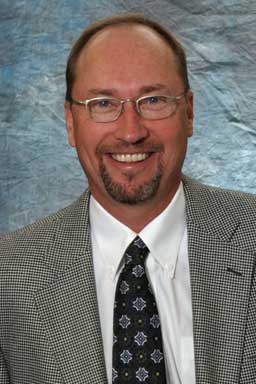 Ice-cream flavorings salesman
versus the swine veterinarian
Ice-cream flavorings salesman
versus the swine veterinarian
I always remember a vacation when my wife, Nancy, and I were enjoying a wonderful dinner with a veterinary school classmate and his wife. It happened to be our anniversary and we were enjoying a meal at a wonderful restaurant. At the table next to ours were several couples from Texas. As the evening progressed, we started conversation with the neighboring table and stayed late into the night, laughing and enjoying each other’s company. The conversation included our location of residence, kids and grandkids, and everyone’s profession. It turned out that everyone at the neighboring table was associated in business together, the business of making ice cream. This group sold flavorings to ice cream companies. Immediately the discussion centered around what was your favorite ice cream flavor. I remember my initial thought process as I had yet to reveal my occupation. How could a swine veterinarian, a pig vet, compete with someone who sold ice-cream flavoring? Everyone has to love someone that sells ice-cream flavorings. These individuals are responsible for Butter Brickle, Chocolate Chip, French Vanilla, Bunny Tracks, and the list could go on and on. How easy would it be to strike up a conversation with someone if you sold ice-cream flavorings? I, on the other hand, would have to explain the swine industry, how it is changing, and possibly defend the change in the industry. I was starting to feel inferior. Somehow it just did not seem fair.
I was reminded of that evening as I read the “Straight Talk” article in the September-October 2007 issue of the Journal of Swine Health and Production. Several veterinary students were asked to comment on what attracts them to swine practice, and what drives them away. I was concerned that many students commented that they were worried about the poor public perception of the swine industry and that the industry is continually fighting to strike a balance with animal activists, economic viability, and maintaining or improving herd health. I remember how I felt that evening, comparing myself and my role to the enviable role of an ice-cream flavoring salesperson. But given the opportunity to switch roles, would I be happy peddling ice-cream flavorings? I contacted the three other officers of the AASV and asked them why they had become swine veterinarians and how they would address concerns with the possible negative public perception of our industry.
Dr Butch Baker (AASV Vice President) reflected that some swine veterinarians influence the health of more animals in one day than a companion-animal veterinarian in his or her lifetime. The challenges of population medicine, where a small amount of advice affects a large population, is exciting and demanding. But probably the most important aspect of being a swine veterinarian is the clients, the people that you serve. Dr Baker indicated that in all the years he was in private practice, he cannot ever remember not being paid for a service that he provided to a swine client. The dedication, honesty, feeling of responsibility, and the character of these clients were the real perks of being a swine veterinarian. When asked about possible negative perceptions, he responded by saying that if you believe in the industry that you serve, you must be willing to stand up to criticism.
Without hesitating one second, Dr Kerry Keffaber (AASV President Elect) stated that being a swine veterinarian was extremely rewarding, since your actions have a direct impact on the health and welfare of the entire world. Dr Keffaber also highlighted the clients, the people that you serve as a swine veterinarian. They are caring people with a strong work ethic who become your friends and affect who you become. For years, I have preached to my girls that their friends through their adolescence would affect who they became. I realize today that the same is true for me and my professional life.
Dr Scott Dee (AASV Past President) listed three advantages to being a swine veterinarian. First, swine producers are scientific thinkers who welcome new ideas and trials if they have scientific justification and more important, if the producers are excited about the projects. Dr Dee enjoyed the ability to solve a problem with a producer trial, and I must believe that this approach to problem solving has benefited him in his position today. He also included the lifestyle, being able to work with producers locally, nationally, and internationally as an important advantage of the profession. Dr Dee enjoys population medicine and the ability to use diagnostics to understand pathogen movement.
No one serving the swine industry today would argue that the industry and our profession do not have some major issues to address in the near future. I would argue that every aspect of animal agriculture will have these same issues to address with time. There is no question that our profession and the industry we serve must become more proactive in answering this criticism. For years, we have been comfortable sitting back on our heels and avoiding many issues, including animal welfare. The time has arrived for us to move from our heels to our toes. Our profession needs young, talented veterinarians who are not afraid that the industry they will serve has some problems, but instead realize that our profession is not avoiding these issues. Given the option, I’m sticking with my role as a swine veterinarian and I am willing to stand up to those who oppose the role that we play preserving the health and welfare of the world’s food supply. And besides, I would have made a poor ice-cream flavorings salesman. I really only like vanilla ice cream.
-- Daryl Olsen, DVM